
Freight Orbit University

A free resource for learning how truck dispatching works — whether you're exploring it as a career, running your own trucks, or just want to understand what a dispatcher actually does.

Truck dispatching sits at the center of the trucking industry — it's the work of finding loads, negotiating rates, and keeping trucks moving and paid. Understanding how it works helps owner-operators evaluate their options, and helps anyone considering dispatching as a career know what the job actually involves.

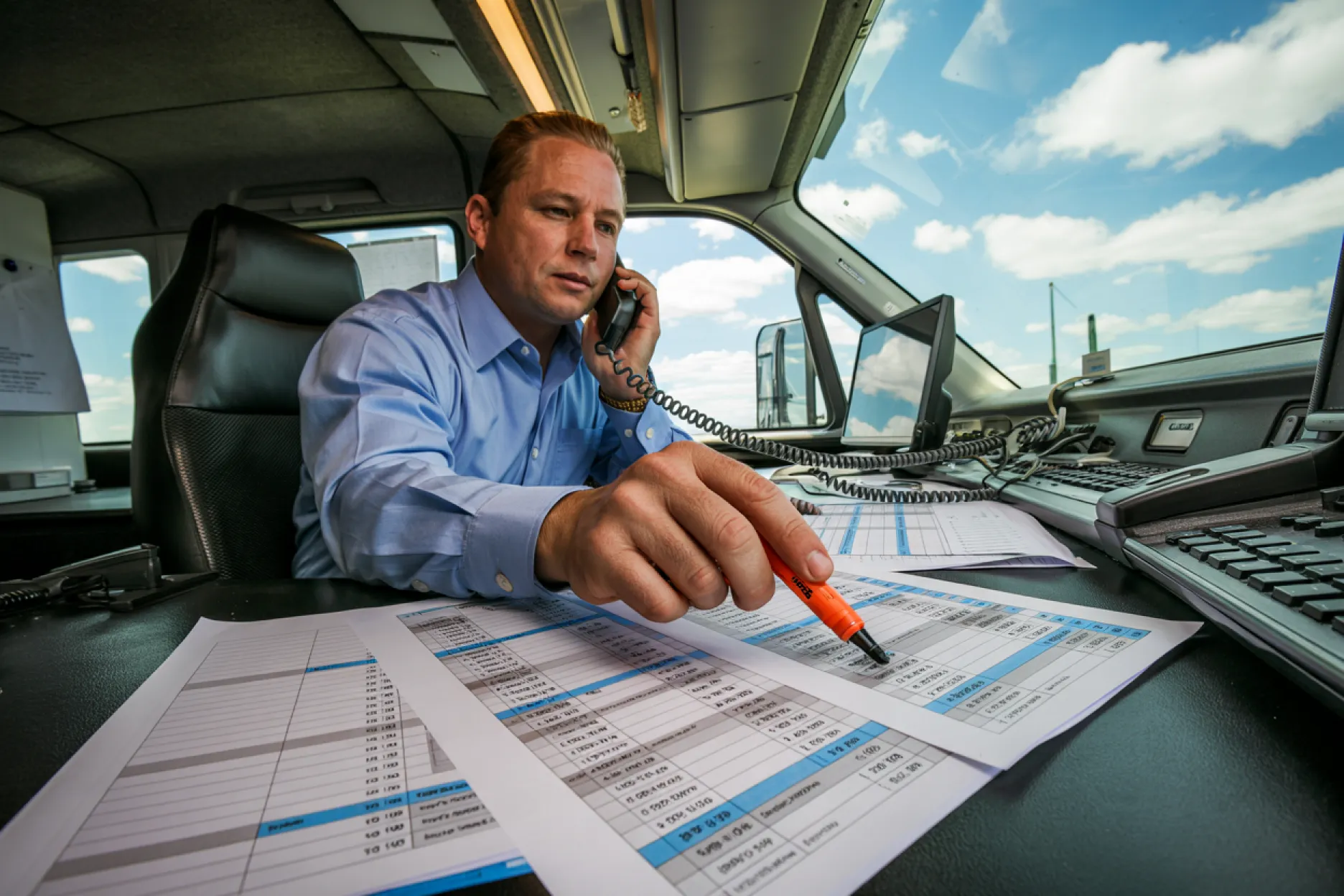
Truck dispatcher coordinating loads

This page walks through what a dispatcher does day to day, who dispatching tends to suit, and the general steps a load goes through from being found to being delivered and paid.

  • What a truck dispatcher actually handles day to day
  • Who tends to succeed at dispatching, and why
  • The core skills and topics worth understanding first
Talk to Freight Orbit

What Does a Truck Dispatcher Do?

A truck dispatcher is the link between drivers and the freight they haul. On any given day, that means finding available loads, negotiating rates with brokers and shippers, confirming and organizing paperwork, planning routes and schedules, and staying in touch with drivers while a load is on the road.

It's a role that rewards strong communication, comfort with negotiation, and the ability to juggle several moving pieces at once — whether that's for one truck or a growing fleet.
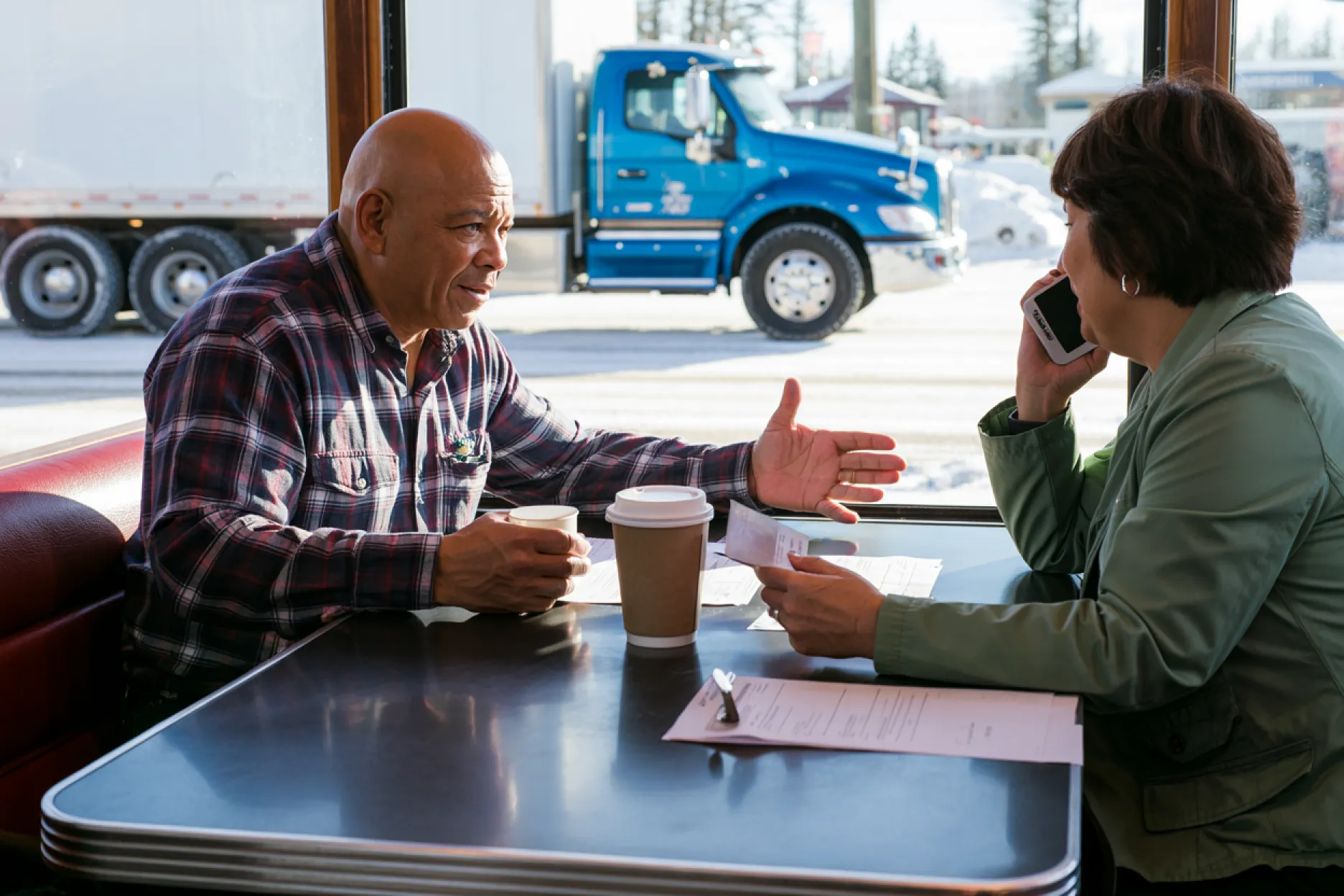
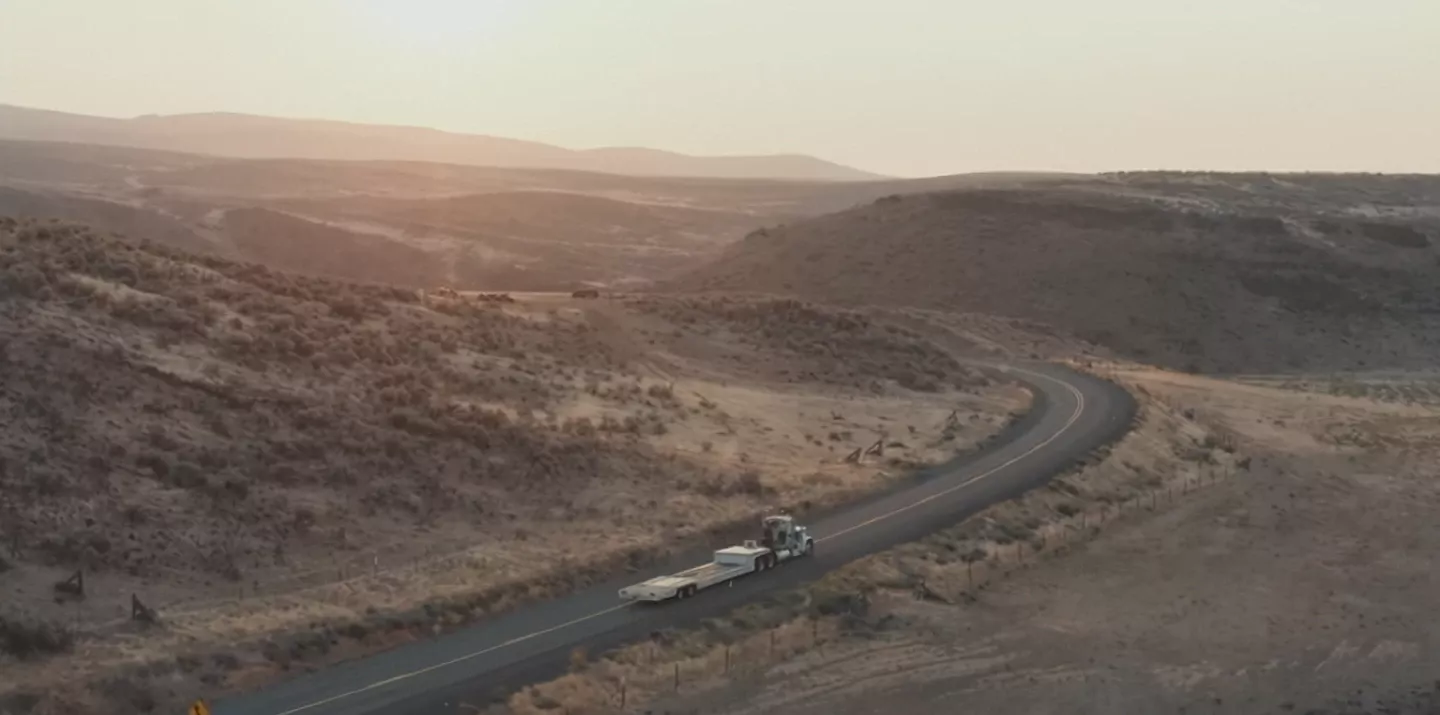
Truck on the road

What You'll Learn

Trucking industry basics:

How the industry is structured, the terminology dispatchers use daily, and where dispatching fits into the bigger picture.

Load boards and finding freight:

How dispatchers search for and evaluate available loads that match a truck's equipment and lanes.

Rate negotiation fundamentals:

What goes into negotiating a fair rate with a broker or shipper, and why terms matter as much as the number.

Documentation and compliance:

The paperwork behind every load — rate confirmations, PODs, and the records that keep a business compliant.

Route and schedule planning:

Balancing delivery windows, hours of service, and efficient routing to keep a truck moving profitably.

Who Is This For?

Owner-operators

Understand what's involved in dispatching before deciding whether to do it yourself or hand it off

Aspiring dispatchers

Get a clear picture of the role before pursuing dispatching as a career

Small trucking businesses

Learn what to look for when building or working with a dispatch team as you grow

Anyone curious about the industry

No experience needed — this is a starting point, not a prerequisite

Step by Step: How a Load Moves Through Dispatch

1. Finding the load:

The dispatcher searches load boards and broker contacts for freight that matches the truck's equipment and preferred lanes.

2. Negotiating the rate:

Once a good match is found, the dispatcher negotiates the rate and terms directly with the broker or shipper.

3. Booking and documentation:

The load is confirmed and the paperwork — rate confirmation, BOL, and any required permits — is prepared.

4. Tracking and delivery:

The dispatcher stays in touch with the driver, monitors the route and schedule, and handles anything that comes up along the way.

5. Invoicing and follow-up:

After delivery, the dispatcher confirms the POD and makes sure the load gets invoiced and paid.

Where This Can Take You

Independent or in-house dispatcher:

  • Work with one carrier or a small group of owner-operators, either on your own or as part of a team.

Freight coordinator:

  • Take on a broader logistics or operations role for a growing trucking company.

Your own dispatch business:

  • Once you know the fundamentals, some dispatchers go on to start their own dispatch service.

Good to Know

It's relationship-driven:

strong dispatchers build lasting relationships with brokers and shippers, not just one-off transactions

Most work is remote:

a reliable internet connection and phone are often all that's needed to do the job

It's not just phone calls:

documentation, compliance, and route planning are just as much a part of the job

Every freight type is different:

dry van, flatbed, reefer, and hotshot each come with their own quirks worth understanding

It takes time to build:

like any skill, dispatching gets easier — and more profitable — with experience

Pick What Fits You

Start with the free overview, or go deeper with guided support from the Freight Orbit team.

Bootcamp

Free
A quick, no-cost overview of what dispatching involves.
  • What a truck dispatcher does day to day
  • Who dispatching is a good fit for
  • How a load moves from booking to payment
Get Started Free

Premium

Contact us for pricing
The full curriculum plus 1-on-1 support.
  • Everything in Standard
  • 1-on-1 sessions with the Freight Orbit team
  • Guidance on starting your own dispatch business
  • Direct line to our dispatch team for questions
Talk to Freight Orbit
description

Want Hands-On Help Instead of Doing It Yourself?

Freight Orbit's dispatch team can take this off your plate entirely.

Get a free setup

Questions? We have answers

Who is this content for?

Anyone who wants to understand truck dispatching — owner-operators deciding whether to dispatch their own loads, people considering dispatching as a career, and small trucking businesses evaluating how to structure their operations.

Do I need prior experience to understand dispatching?

No. This page is written as a starting point, whether you've never worked in trucking logistics or you're a driver curious about the business side of the industry.

Can dispatchers work remotely?

Yes. Most of the day-to-day work — searching load boards, negotiating by phone or email, tracking a load's progress — can be done from anywhere with a reliable internet connection.

What skills matter most for a dispatcher?

Clear communication, comfort negotiating over the phone, attention to detail with paperwork, and the ability to keep several loads organized at once.

Does dispatching work the same way for every type of freight?

The core process is similar, but each equipment type has its own quirks — dry van, flatbed, reefer, step deck, and hotshot loads each come with different documentation, timing, and handling considerations.

Does Freight Orbit offer dispatching services if I'd rather not do it myself?

Yes — this page is meant to help you understand dispatching, but if you'd rather have someone handle it for you, Freight Orbit's dispatch team can take it off your plate. See our dispatching services.